China US Tariff Exemptions: What You Need to Know
China US Tariff Exemptions: What You Need to Know
As the ongoing trade tensions between China and the US continue to escalate, businesses and individuals are seeking clarity on the complexities of tariff exemptions. With billions of dollars' worth of goods and services impacted, understanding the intricacies of these exemptions is crucial for navigating the rapidly changing trade landscape. This article delves into the world of China-US tariff exemptions, shedding light on the key aspects, benefits, and limitations of these crucial trade policies.
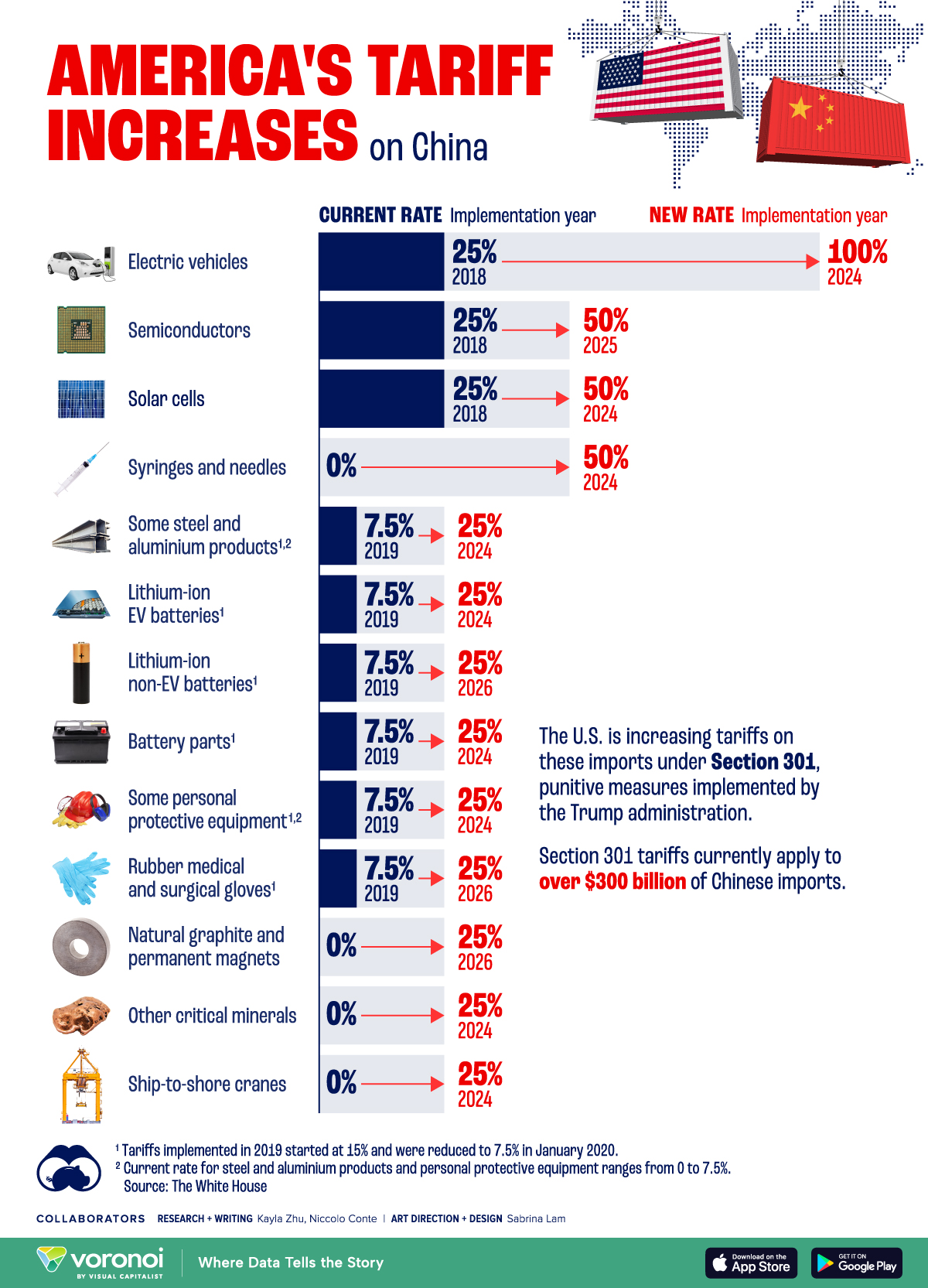
The US-China trade war, which began in 2018, has seen tariffs imposed on over $360 billion worth of Chinese goods. In response, China has also levied tariffs on $110 billion worth of US exports. Amidst this escalating trade tension, the US government has introduced various measures to mitigate the impact on American businesses, including offering exemptions to certain Chinese imports. The process, while designed to provide relief to affected parties, is shrouded in complexity, leaving many to wonder: what exactly are China-US tariff exemptions, and how do they work?
The History of Tariff Exemptions
The concept of tariff exemptions dates back to the early days of international trade agreements. In the US-China context, exemptions first emerged in 2018, when the US Trade Representative (USTR) announced the imposition of 25% tariffs on $50 billion worth of Chinese goods. In response, China retaliated with its own set of tariffs, which included exemptions for certain products. Since then, the US government has periodically reviewed and updated its list of exempted goods, often citing national security concerns, intellectual property rights, or humanitarian grounds.
The exemptions have been a key aspect of the trade war, allowing the US to address specific concerns while maintaining the overall structure of tariffs on Chinese imports. However, critics argue that the exemptions have been haphazardly implemented, lacking transparency and consistency. This uncertainty has created challenges for businesses, which must constantly adapt to changing tariff policies.
The Process of Obtaining Exemptions
To obtain an exemption, US businesses and individuals must submit a formal request to the USTR, providing detailed information on the goods, materials, or services they wish to import. The process is rigorous, involving:
1. **Identification of eligible products**: The USTR publishes a list of eligible products that can be exempted from tariffs. Businesses must identify which products fall within this category.
2. **Filing a petition**: Companies submit a formal petition to the USTR, including documentation and evidence supporting their claim for exemption.
3. **USTR review**: The USTR reviews the petition, considering factors such as national security, intellectual property rights, and humanitarian concerns.
4. **Public notice**: If the USTR determines that an exemption is warranted, the company is notified, and the exemption is published in the Federal Register.
The Benefits of Tariff Exemptions
Tariff exemptions offer several benefits to businesses, including:
1. **Reduced costs**: Exemptions can significantly reduce the costs associated with tariffs, allowing businesses to maintain competitiveness in the market.
2. **Increased market access**: Exemptions can grant companies access to previously restricted markets, enabling them to expand their customer base and increase sales.
3. **Improved supply chain resilience**: By exempting critical components or materials, businesses can reduce their reliance on a single supplier and maintain supply chain resilience.
4. **Support for US industries**: Exemptions can be used to support US industries facing challenges due to the trade war, such as the agricultural sector.
However, exemptions come with limitations, including:
Limitations and Challenges
1. **Uncertainty**: The process of obtaining exemptions is often lengthy and unpredictable, leaving businesses uncertain about their eligibility and the timing of exemptions.
2. **Lack of transparency**: The exemption process lacks transparency, making it difficult for companies to understand the criteria for eligibility and the rationale behind USTR decisions.
3. **Constant changes**: Tariff policies and exemptions are subject to frequent changes, forcing businesses to adapt quickly to maintain compliance.
4. **Limited scope**: Exemptions are typically granted for specific products or industries, leaving other companies to bear the costs of tariffs.
Real-World Examples of Tariff Exemptions
1. **Agricultural products**: In 2019, the USTR granted exemptions to certain agricultural products, including soybeans, pork, and chicken, citing humanitarian concerns and the need to support US farmers.
2. **Medical equipment**: The USTR has exempted medical equipment, such as ventilators and diagnostic kits, from tariffs, highlighting the importance of critical medical supplies during the COVID-19 pandemic.
3. **Rare earth elements**: The US has granted exemptions to rare earth element imports from China, recognizing the critical role these materials play in the production of high-tech products.
In conclusion, China-US tariff exemptions are a complex and rapidly evolving aspect of the trade war. While offering relief to affected businesses and individuals, the exemptions are shrouded in uncertainty, lacking transparency and consistency. As the trade landscape continues to shift, it is essential for companies to stay informed about changes in tariff policies and exemptions to maintain competitiveness and navigate the challenges of the trade war.


Related Post

The Iwasawa Theory: Unlocking the Secrets of Algebraic Number Theory

Unleash the Beast: How Fast Can the 2016 Mazda 3 Skyactiv Really Go?

Is Ross Toys Legit: Separating Fact from Fiction in the Toy Industry

The Best Russian Football Player of All Time: A Legacy of Glory