The Ultimate Guide to Learning Management Systems: Unlocking the Power of Education
The Ultimate Guide to Learning Management Systems: Unlocking the Power of Education
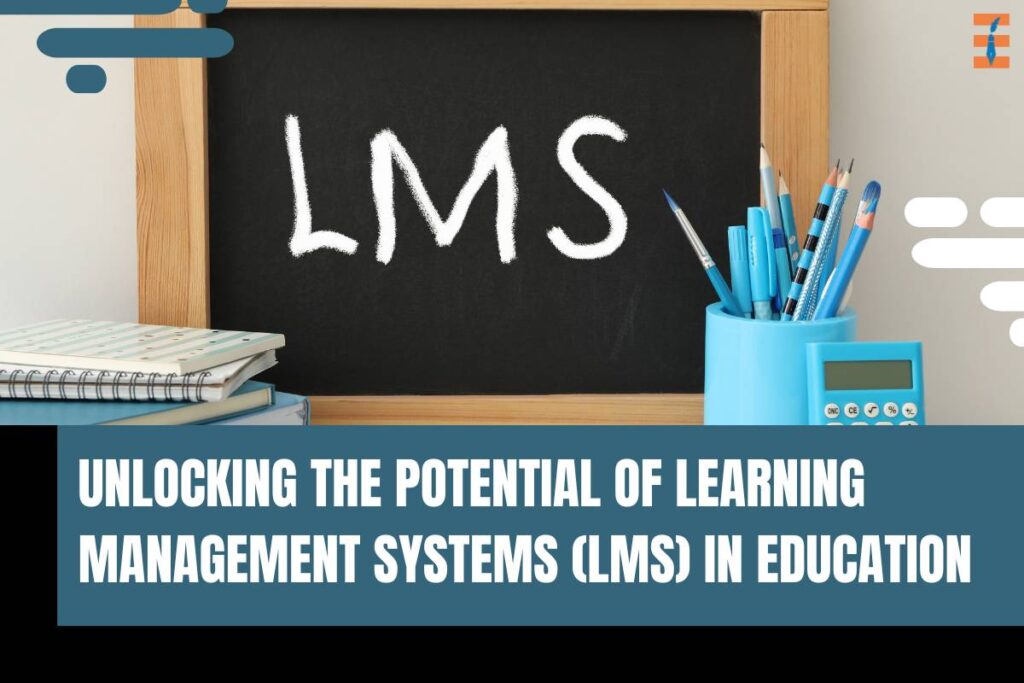
Learning Management Systems (LMS) have revolutionized the way we learn and educate. With the advancement of technology, LMS has become an essential tool for institutions, teachers, and students alike. In this comprehensive guide, we will delve into the world of LMS, exploring its benefits, features, and best practices. By the end of this article, you will have a thorough understanding of how to harness the power of LMS to enhance teaching and learning.
In today's fast-paced digital age, education is no longer confined to traditional classroom settings. The shift towards online and blended learning has created a new landscape for educators, presenting opportunities and challenges alike. Learning Management Systems have emerged as a crucial component of this transformation, enabling educators to create engaging, interactive, and personalized learning experiences.
**What is a Learning Management System?**
A Learning Management System is a software application designed to support the administration, documentation, tracking, and reporting of training and learning activities. It provides a centralized platform for educators to create, deliver, and manage courses, assessments, and other educational content. LMS solutions typically include features such as user management, course creation, assignment and quiz management, grading, and analytics.
**Benefits of Learning Management Systems**
The adoption of LMS has brought numerous benefits to the education sector. Some of the most significant advantages include:
* **Increased accessibility**: LMS makes learning accessible to a wider range of students, including those with disabilities, remote learners, and students with conflicting schedules.
* **Improved organization**: LMS provides a centralized platform for educators to manage courses, assignments, and student progress, reducing administrative burdens and freeing up time for more valuable tasks.
* **Enhanced student engagement**: Features such as interactive content, gamification, and social learning tools encourages students to participate actively in the learning process, fostering a sense of community and motivation.
* **Personalized learning**: LMS allows educators to create tailored learning experiences that cater to individual students' needs, abilities, and learning styles.
* **Real-time monitoring and feedback**: LMS provides educators with a range of analytics and reporting tools, enabling them to track student progress, identify areas of improvement, and provide timely feedback.
**Key Features of Learning Management Systems**
When selecting an LMS, educators should look for the following essential features:
* **User Management**: Allows administrators to create and manage user accounts, assign roles, and track user activity.
* **Course Creation**: Enables educators to develop and deliver courses, including setting learning objectives, creating content, and assigning assessments.
* **Assignment and Quiz Management**: Facilitates the creation, administration, and grading of assignments and quizzes.
* **Grading and Analytics**: Provides tools for tracking student progress, grading assignments, and analyzing learning outcomes.
* **Integration with Other Tools**: Supports integration with other educational tools and platforms, such as Student Information Systems (SIS), Electronic Health Records (EHR), and Library Systems.
**Types of Learning Management Systems**
There are several types of LMS, each catering to unique needs and preferences. Some of the most popular types include:
* **Hosted LMS**: Installed and managed by the provider on their servers, offering a range of features and support.
* **Self-Hosted LMS**: Installed and managed by the institution on their servers, providing flexibility and customization.
* **Cloud-Based LMS**: Hosted and managed by the provider, offering a scalable and secure solution.
**Implementing a Learning Management System**
To ensure a seamless transition to an LMS, educators should follow these best practices:
* **Define Clear Objectives**: Establish specific goals and needs for the LMS, including increased accessibility, improved organization, and enhanced student engagement.
* **Conduct a Needs Assessment**: Evaluate current processes and identify areas where the LMS can add value, such as streamlining administrative tasks or providing analytical insights.
* **Choose a Suitable LMS**: Carefully select an LMS that aligns with the institution's goals and priorities, taking into account factors such as user interface, learning analytics, and integration capabilities.
* **Communicate Effectively**: Engage with stakeholders, including teachers, students, and administrators, to ensure a smooth adoption process.
* **Provide Ongoing Support**: Offer resources, training, and technical support to ensure educators and students can effectively use the LMS.
**Common Challenges and Solutions**
While implementing an LMS can be a transformative experience, educators may encounter challenges along the way. Some common issues and solutions include:
* **Resistance to Change**: Address concerns by emphasizing the benefits of the LMS, such as increased flexibility and accessibility, and providing training and support.
* **Technical Issues**: Regularly update and maintain the LMS, perform troubleshooting, and engage technical support when needed.
* **Integration Challenges**: Establish clear integration requirements, involve stakeholders in the process, and explore potential solutions, such as custom APIs or webhooks.
**Future of Learning Management Systems**
As technology continues to advance, LMS will only become more sophisticated and integral to the education sector. Upcoming trends and developments include:
* **Artificial Intelligence and Machine Learning**: LMS will increasingly incorporate AI and ML to provide more personalized learning experiences, automate administrative tasks, and improve analytics.
* **Microlearning and Blended Learning**: The rise of microlearning and blended learning will require LMS to accommodate shorter, more flexible, and more effective learning sessions.
* **Accessibility and Inclusivity**: LMS will continue to prioritize accessibility and inclusivity, incorporating features such as text-to-speech, closed captions, and screen reader compatibility.
By embracing the power of Learning Management Systems, educators can create more engaging, effective, and personalized learning experiences that prepare students for success in the digital age. As technology continues to evolve, the potential for LMS to transform education is vast and exciting.



Related Post

165 Years of History: Uncovering the Jamestown Post Journal's Obituaries, A Window to Jamestown's Past

Michael Pare: A Look Back at the Career of Hollywood's Unsung Hero
Uncover Hidden Stories: Oklahoma City Local Obituary Records Reveal Forgotten Lives

Wahoo Board Game Rules Unraveled: A Fun-Filled Guide to Winning